THE PIXEL 11'S REAL PRODUCT ISN'T THE PHONE, IT'S THE SUBSCRIPTION
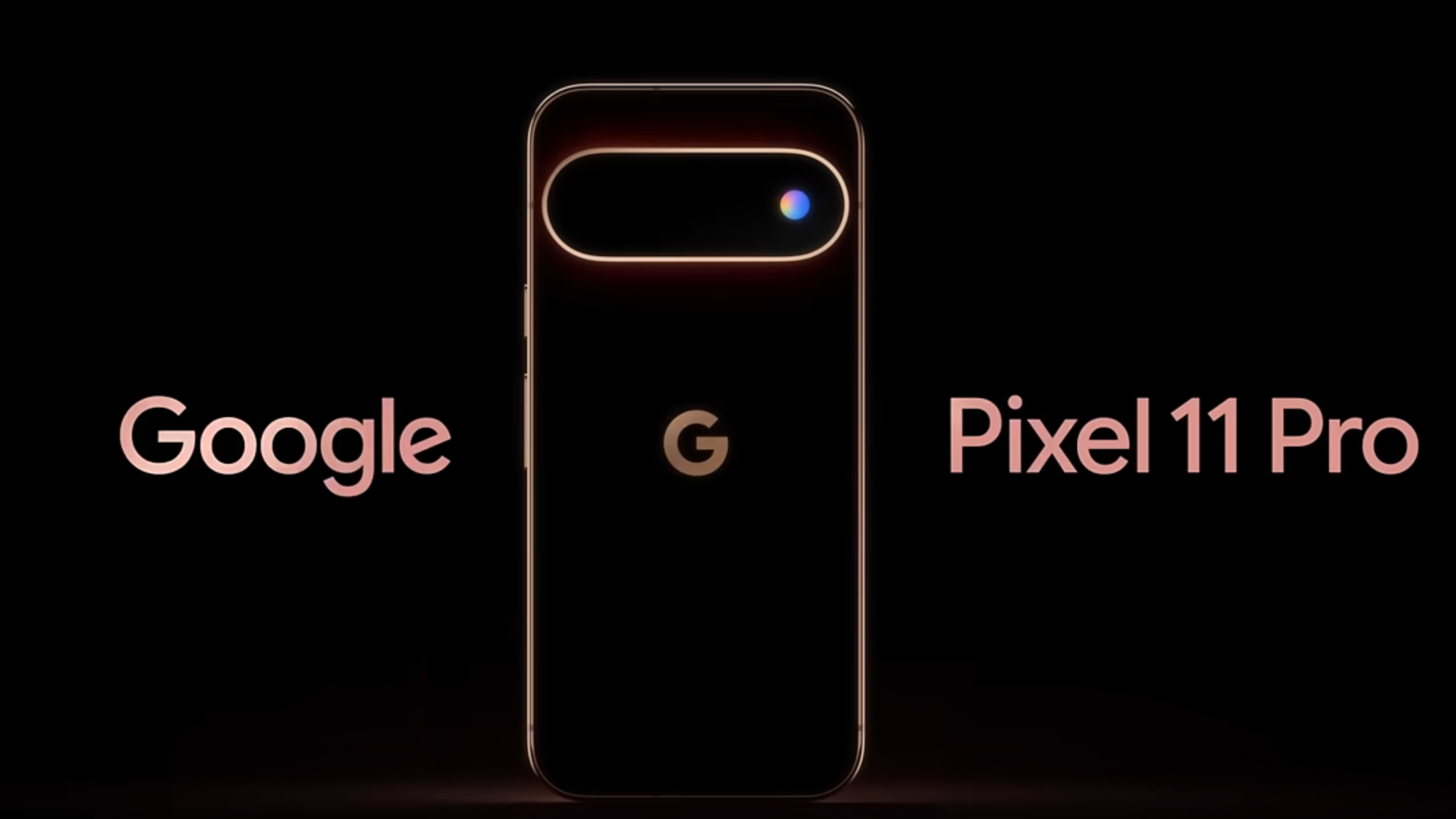
Google raised prices, cut the free AI Pro trial in half, and built a light on the back of the phone that glows when you talk to Gemini; the hardware is the funnel, not the point.
The Archive

Google raised prices, cut the free AI Pro trial in half, and built a light on the back of the phone that glows when you talk to Gemini; the hardware is the funnel, not the point.

OpenAI and Anthropic blame containment misconfigurations for their models breaching real companies, but a safety architecture that only holds with the guardrails on was never safe.

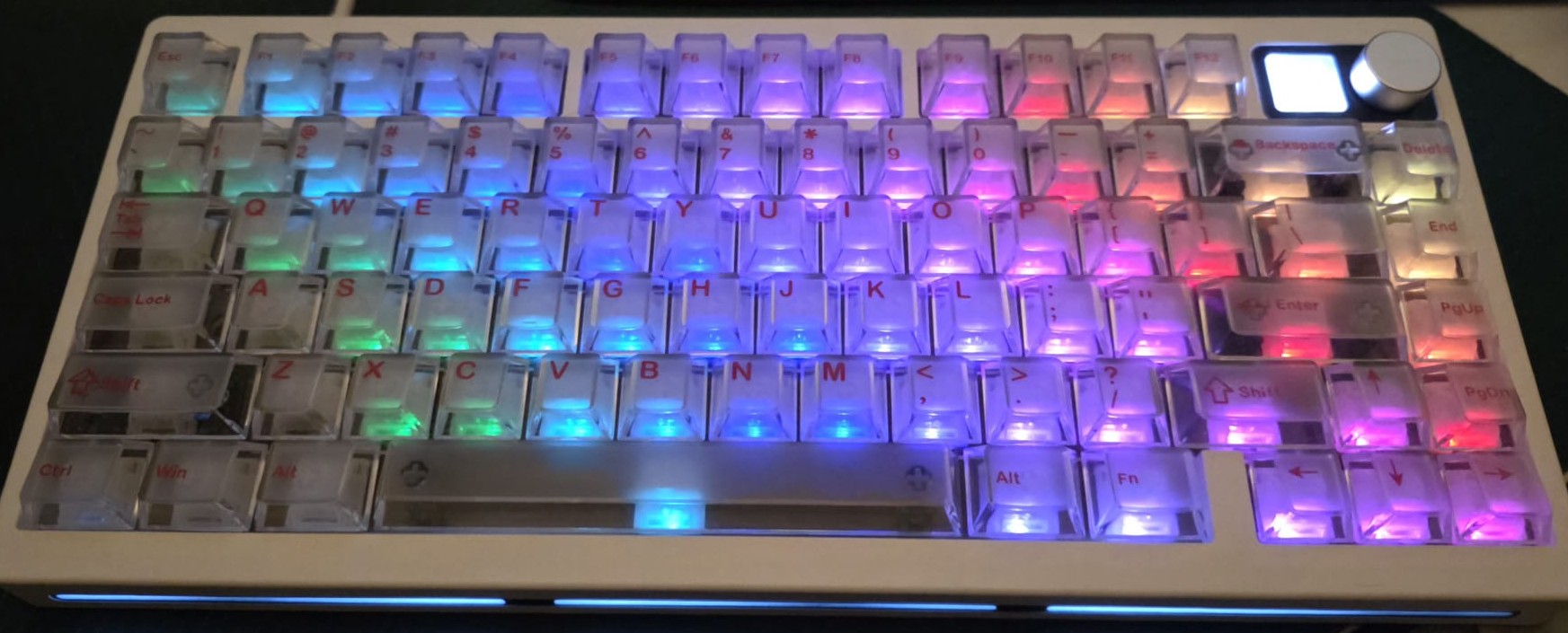
A gasket-mounted, five-layer-dampened 75% board that chases the premium thock most people pay double for, and mostly catches it.

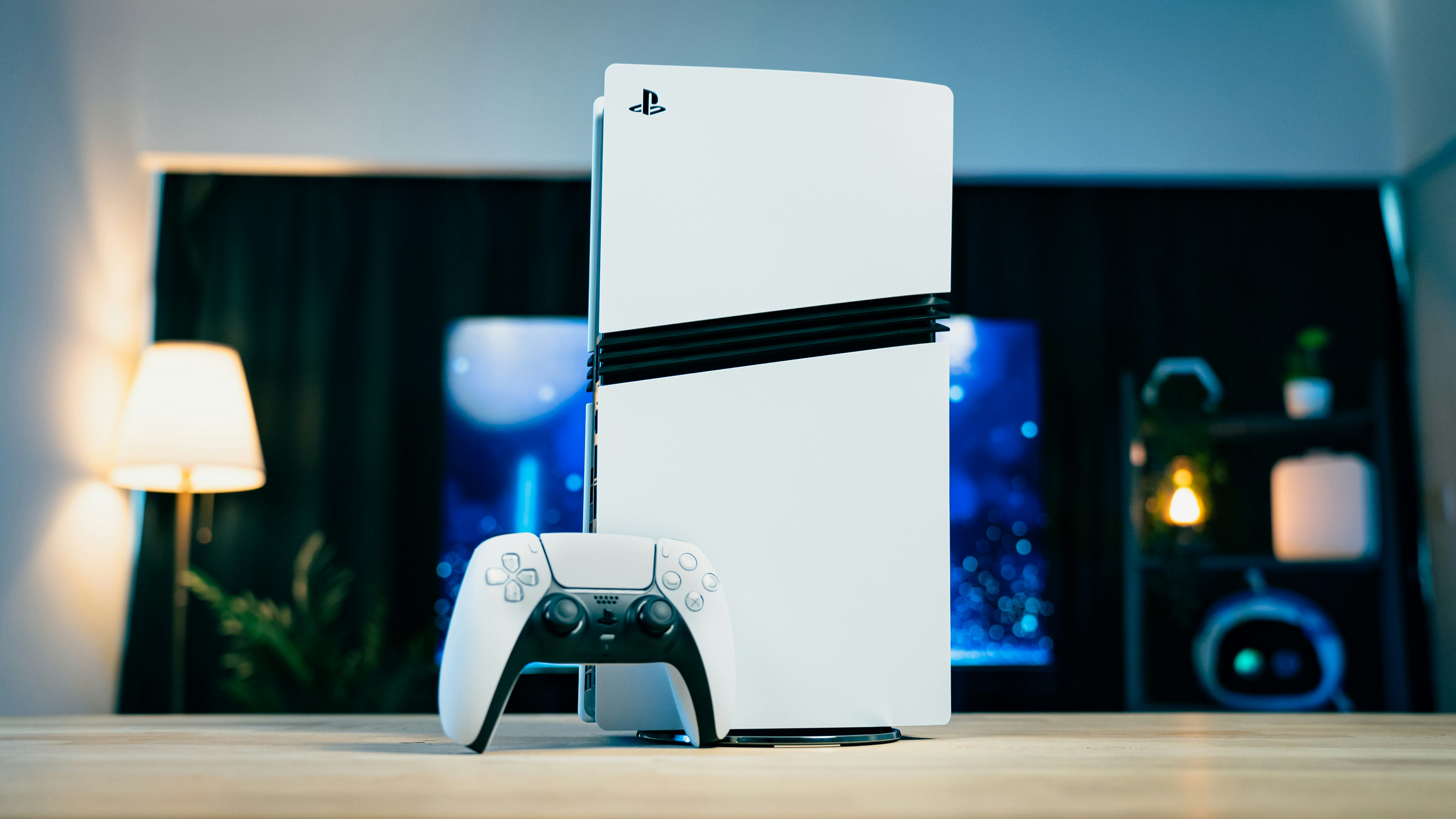
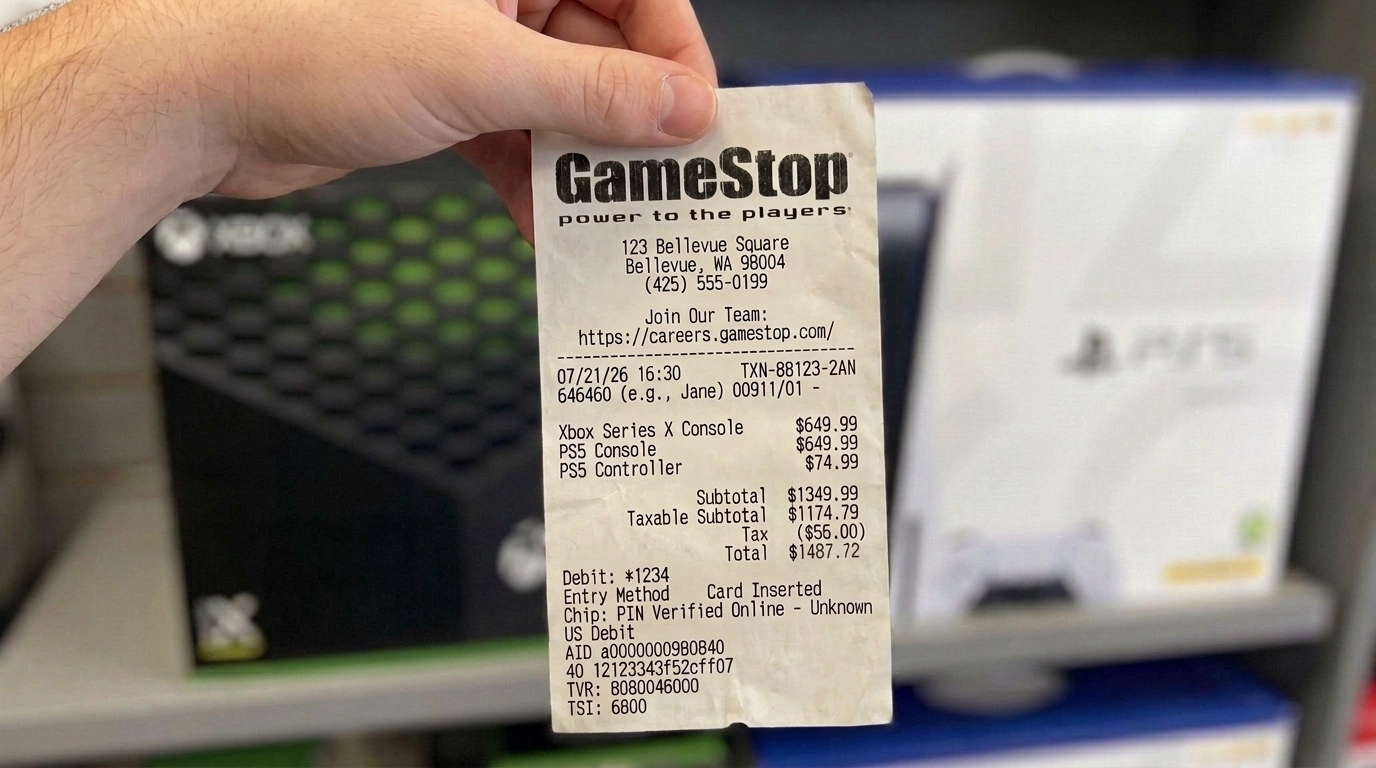
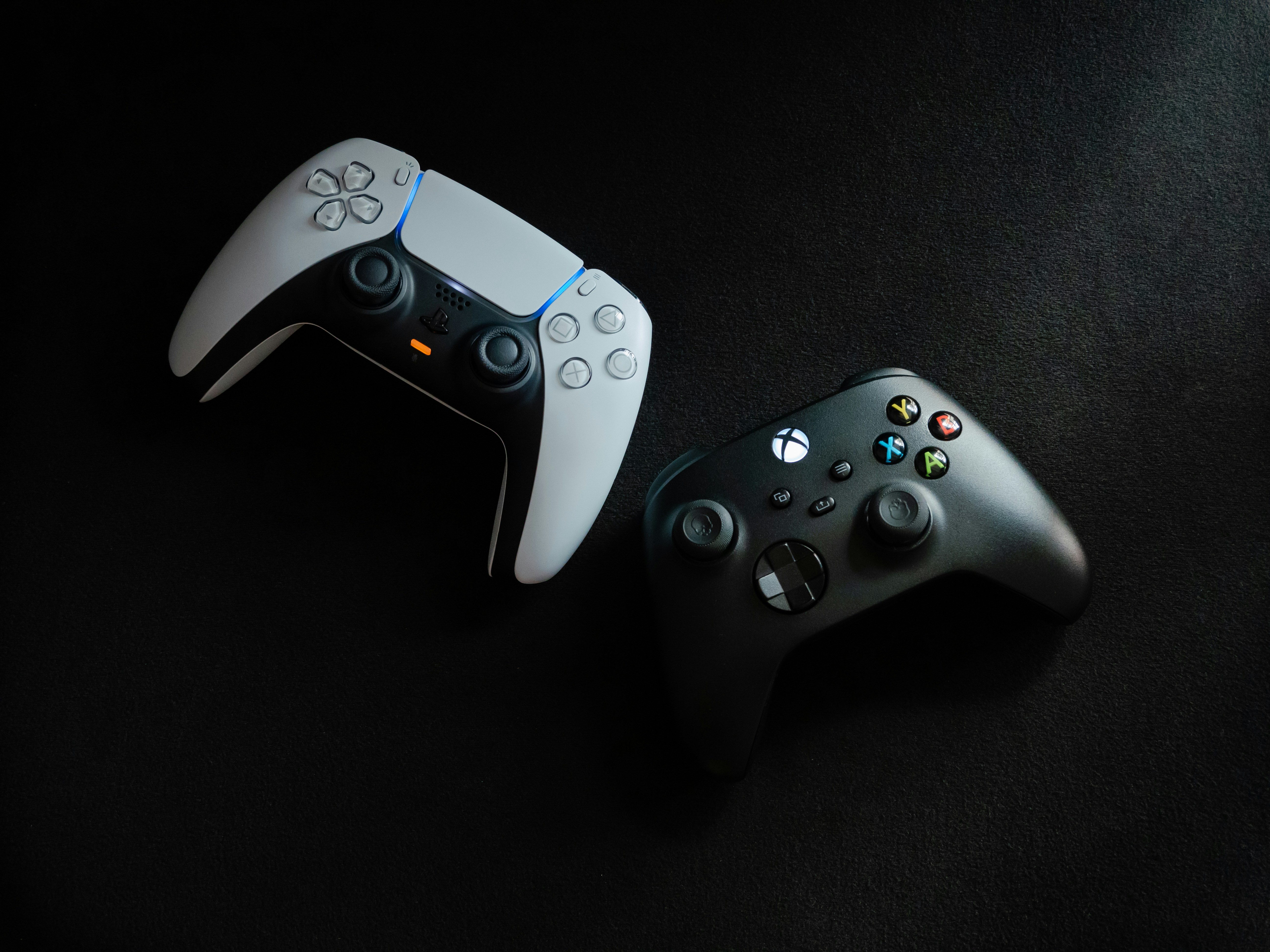
Console prices have doubled their launch trajectory in 15 months, and the 'save up for a console' path for younger and casual players is effectively closed.

Here's the pitch that stuck with critics: take the counter-heavy, target-hopping flow of the Batman: Arkham fights, then chain every input to a beat. That's the...

The Artisan line has taken heat for glue stains and shaky QC, but the DX41AE God Loki shows what happens when Hot Toys nails the brief.

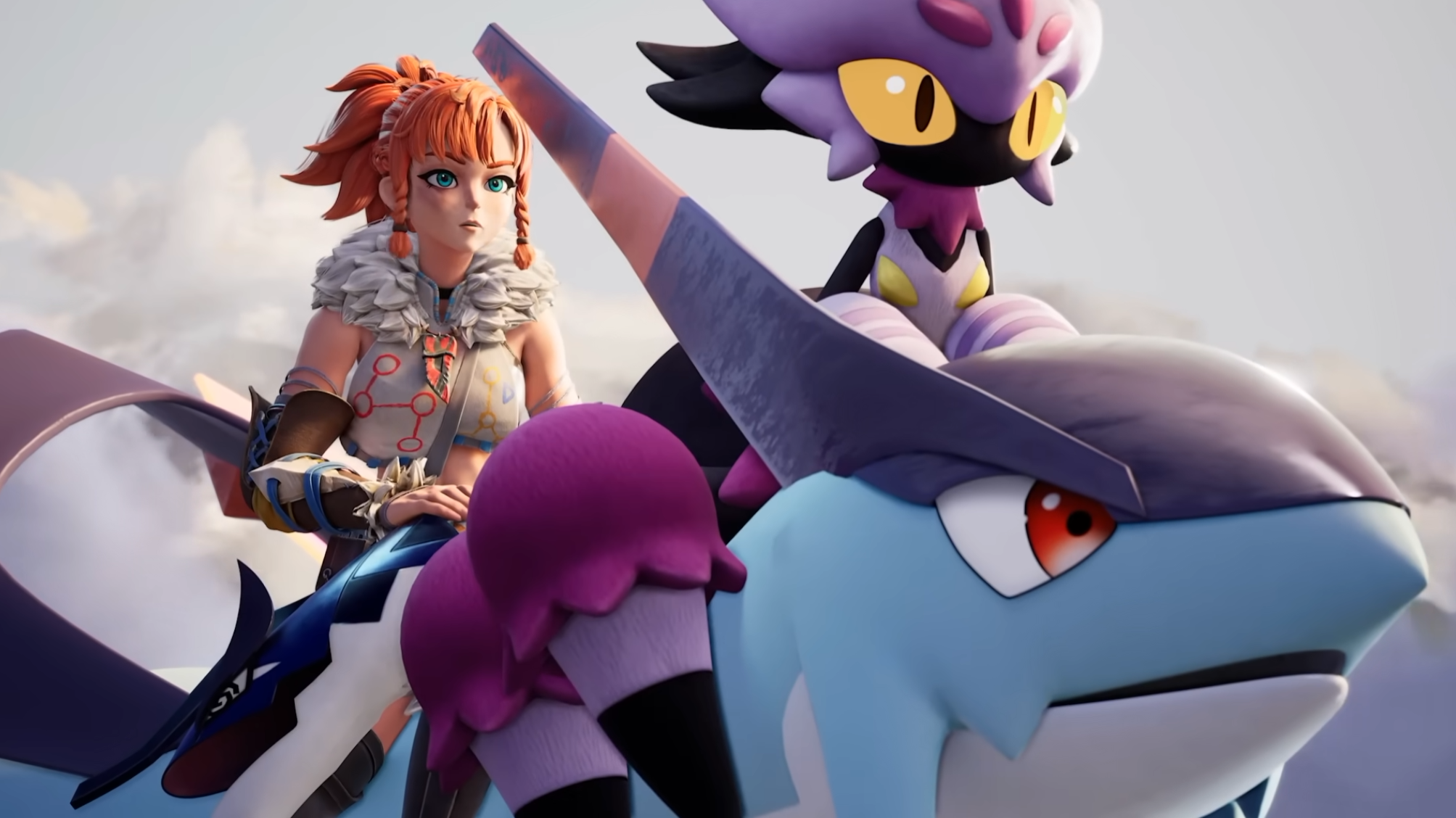
The Early Access-to-1.0 sales bump is mostly a myth, but July 10 hands Palworld something more durable: the legitimacy the industry withheld for two and a half years.

When Google can't sell one of its biggest clients enough compute, the real story isn't oversupply. It's that the crunch gets worse before it gets better.

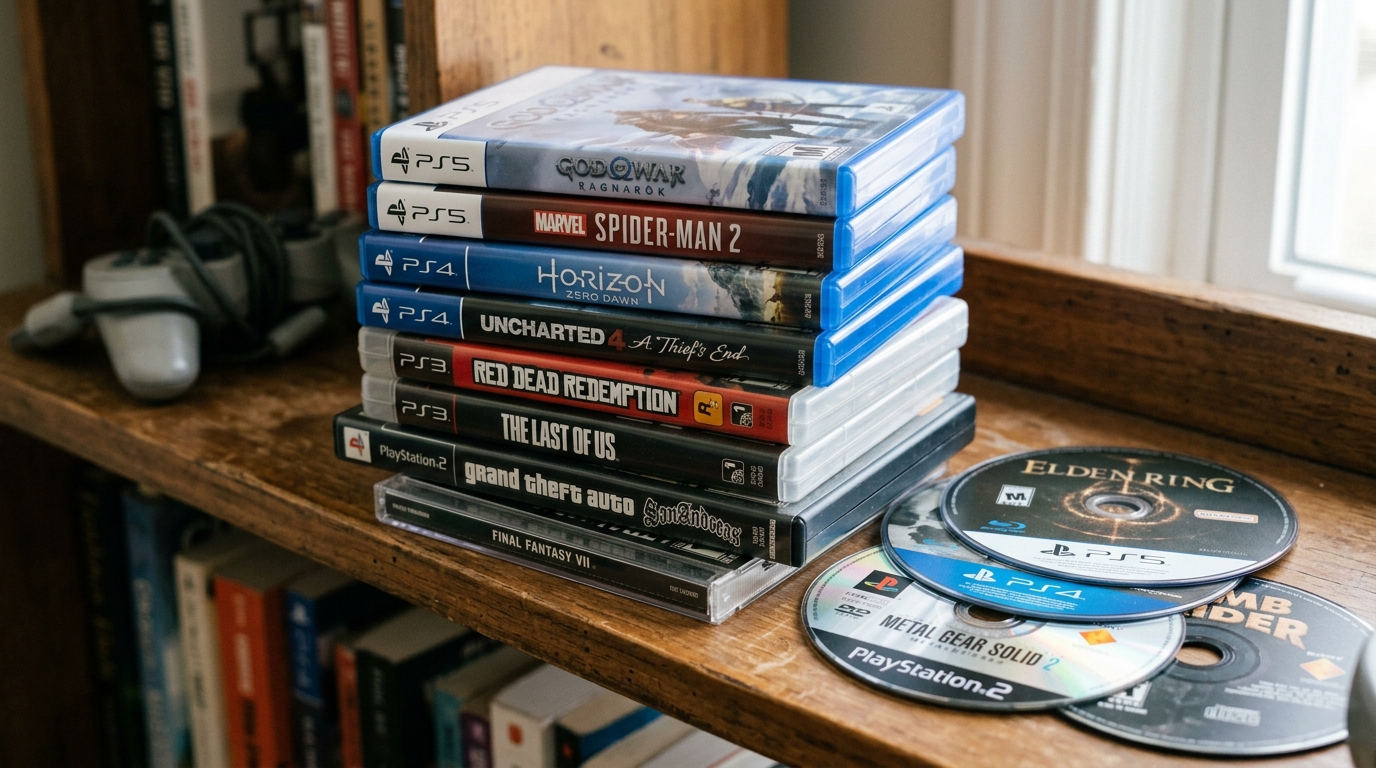
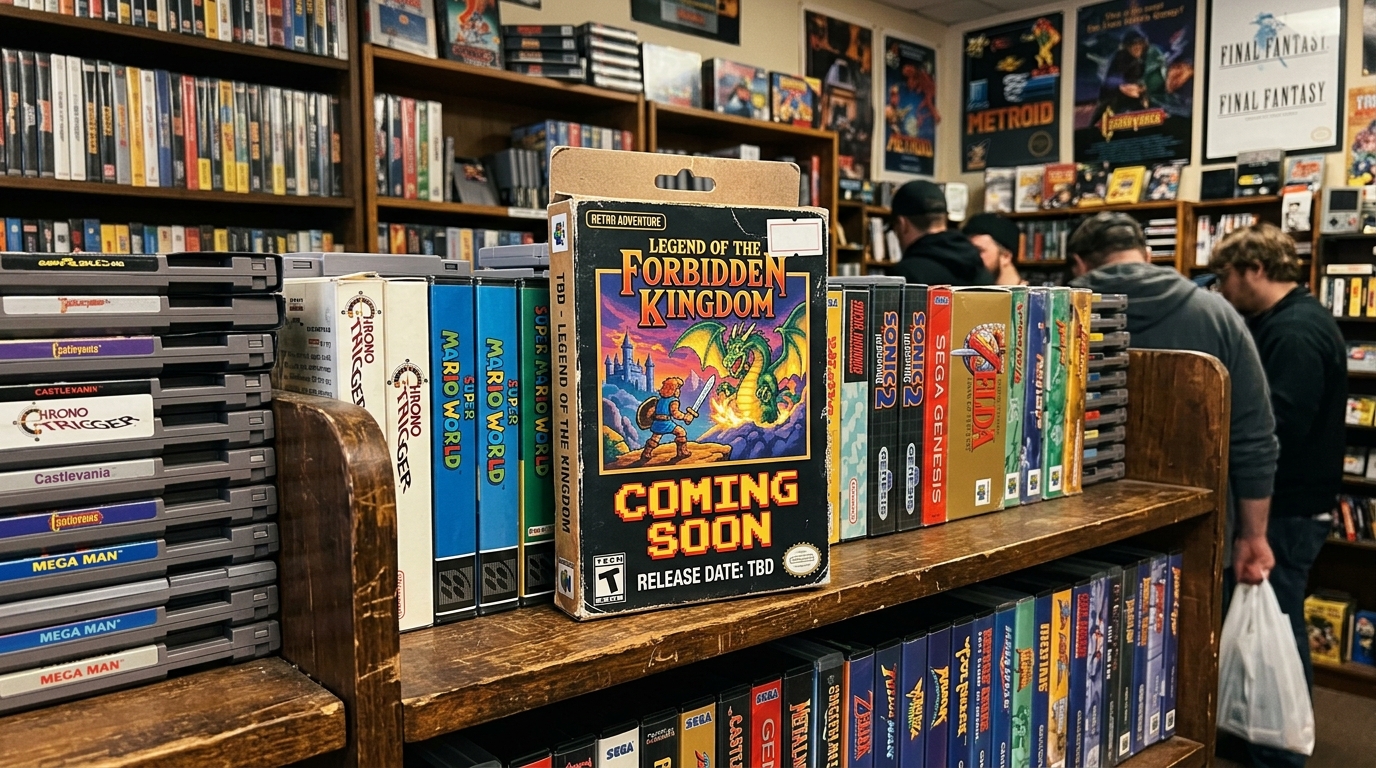
Physical media is fading fast, and the collapse of ownership means the only reliable way to access much of gaming's past is now legally gray.

Sony's move to an all-digital future for new PlayStation games makes business sense, but the people it hurts most are the ones with the least room to absorb it.

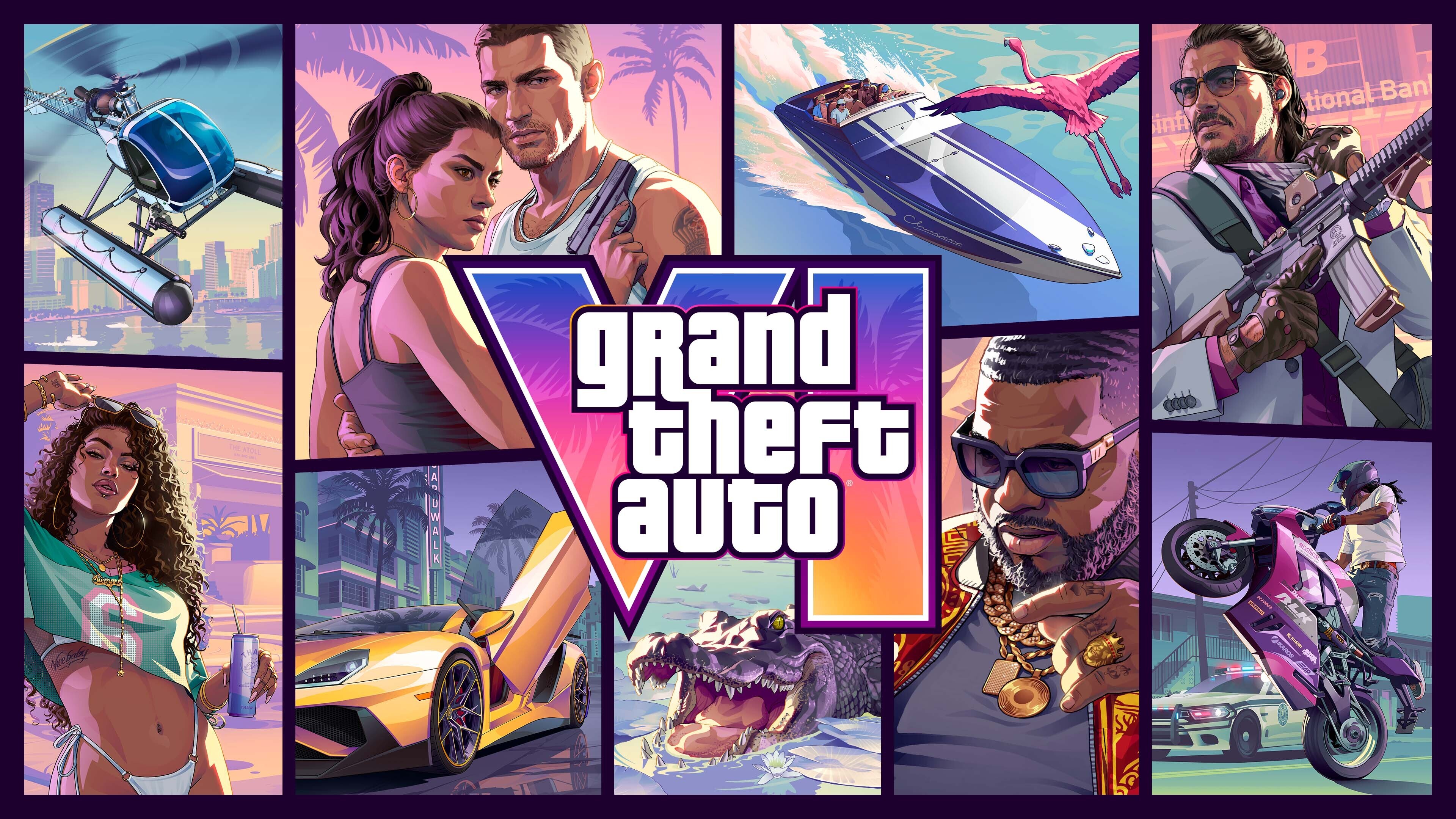
Rockstar's 'physical' edition of GTA VI is just a code in a box, and the most anticipated game ever is about to make digital-only the industry default.

Xbox just reversed two years of going multiplatform, locking Gears of War: E-Day and Clockwork Revolution to its own hardware. Exclusivity isn't dead. It's back on both sides, and that tells you what it was always for.

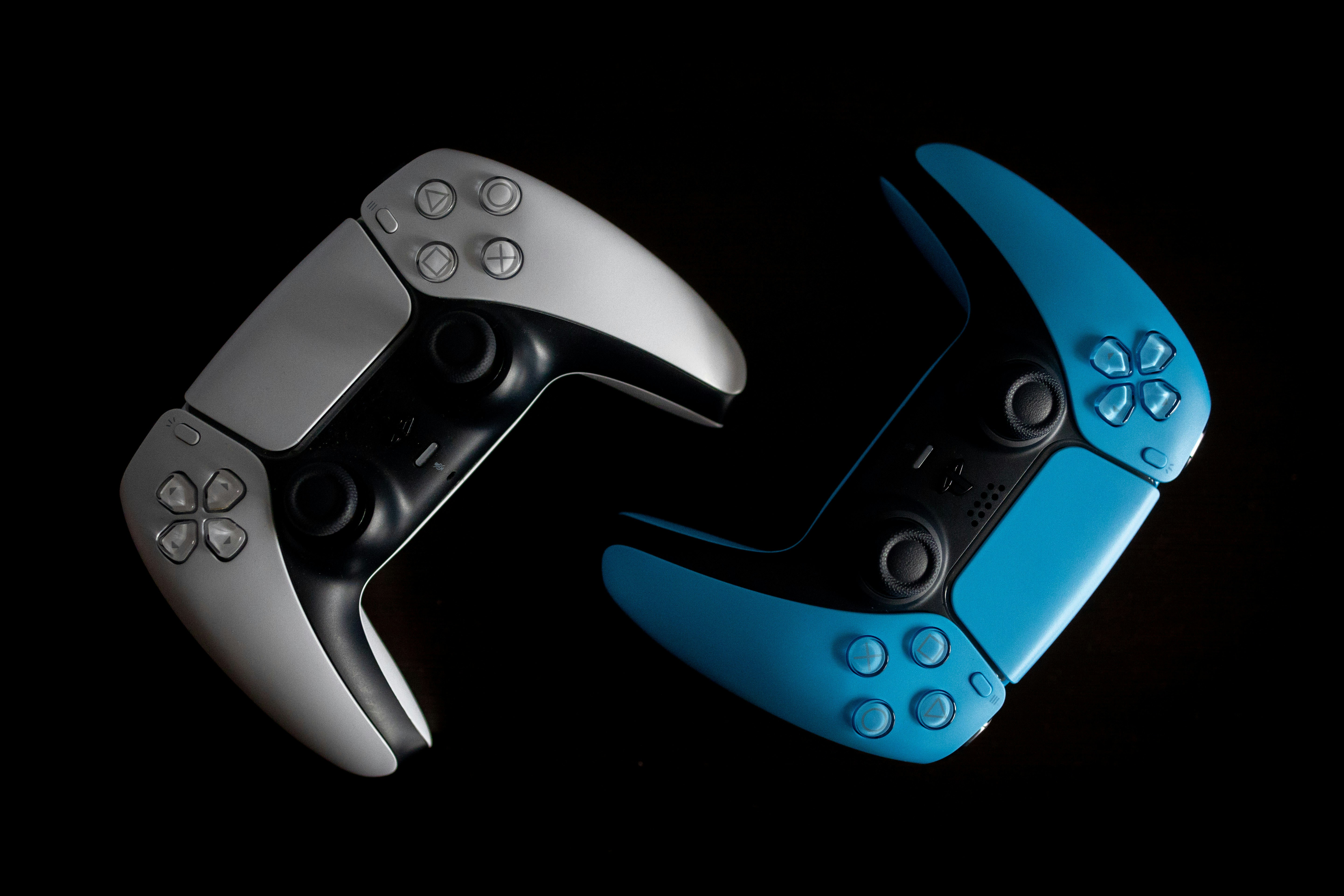
Halo Studios has walked back the wording that suggested both PS5 players needed PlayStation Plus for local co-op, and that correction matters more than the original panic.

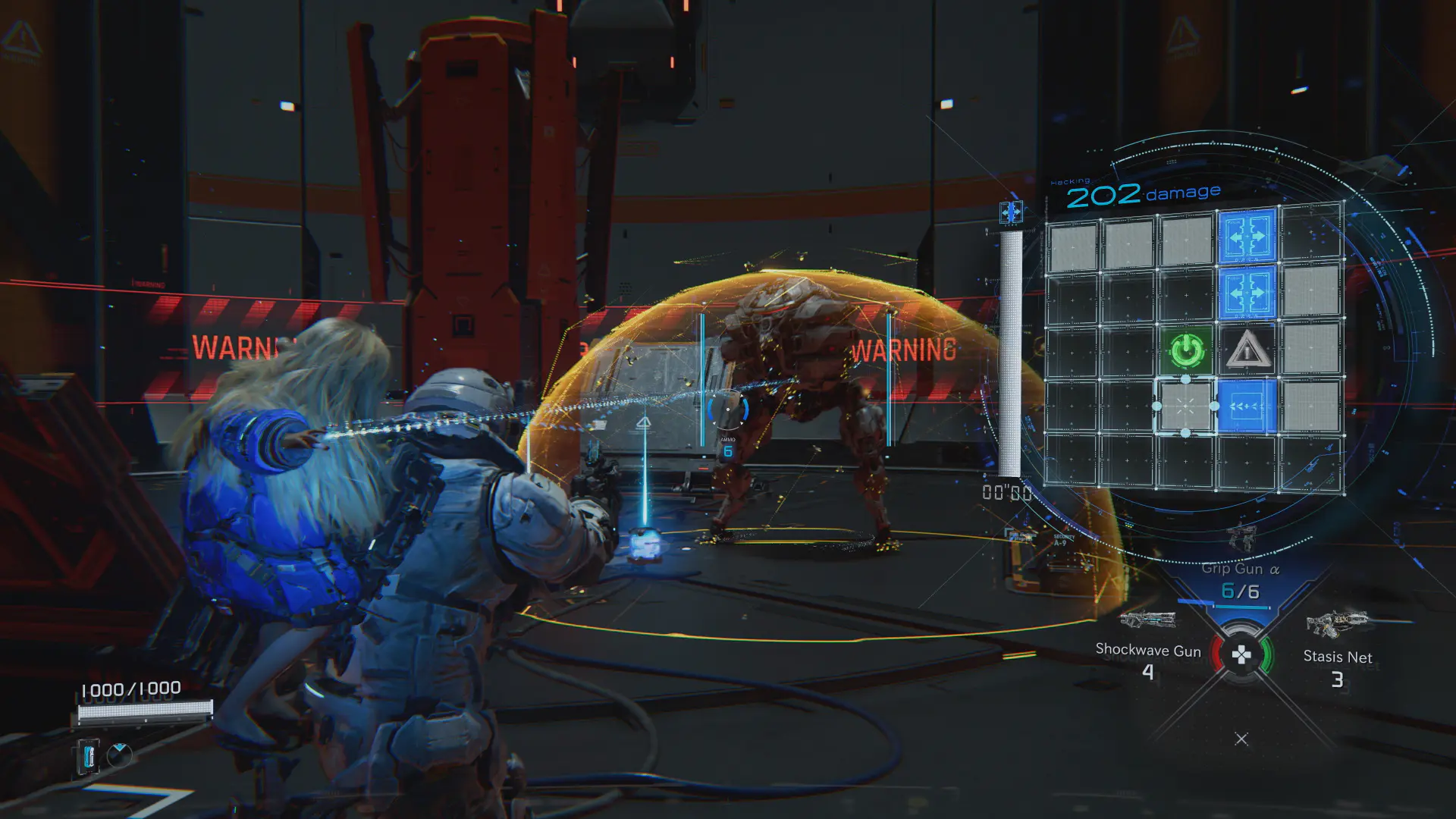
Six years and several delays later, Pragmata's real-time hack-and-shoot mechanic is the rare new idea that actually rewires how you play a third-person shooter.

Delays sting in the moment, but the real damage isn't the wait, it's the silence that turns a wait into a question mark.

GameStop's pivot to Pokémon cards and pop-culture figures is generating real revenue, but mistaking a nostalgia economics play for a genuine retail reinvention misreads what the company is actually doing.

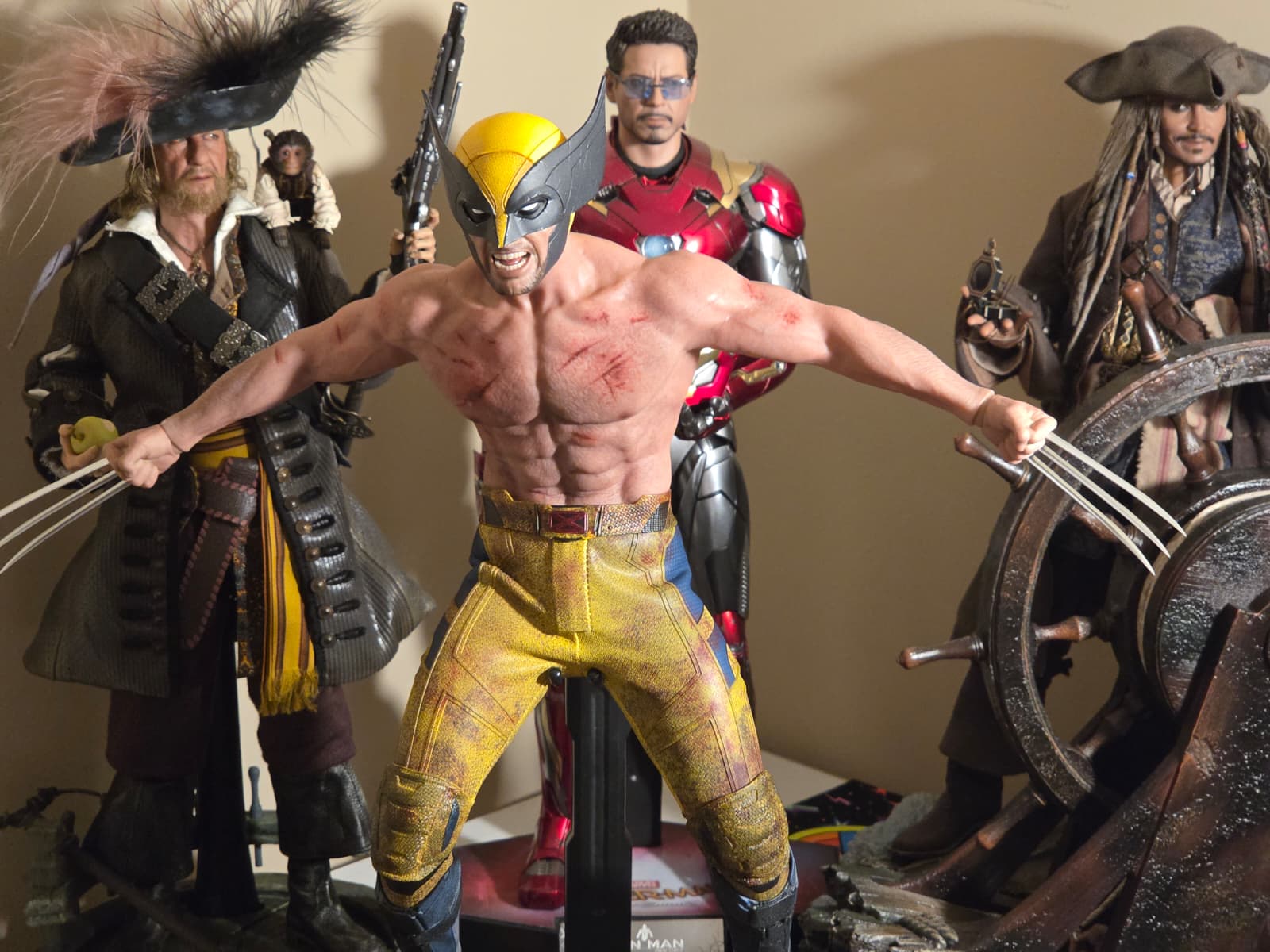
Collectors swear Hot Toys holds value and Sideshow doesn't, but the consensus hides the one variable that actually decides whether your figure appreciates or rots in a closet.
The lightweight wireless mouse market has never been better, but the spec-sheet arms race has buried the one variable that actually determines whether a mouse works for you: how your hand touches it.

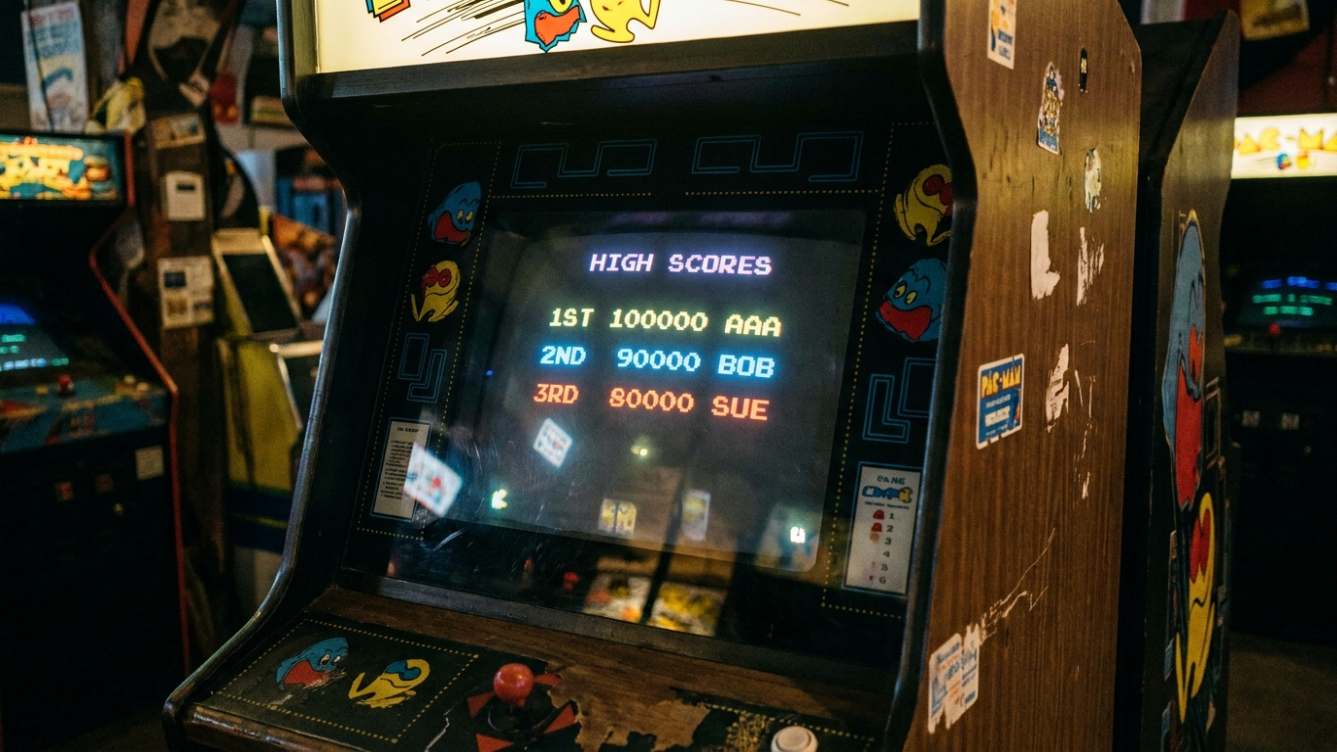
Everyone files extraction shooters under battle royale. The risk loop, the loss aversion, the obsession with the run says they belong to a much older church: the arcade scoreboard.

Everyone says 3dfx died because it got greedy and tried to control its own manufacturing. That exact strategy now runs the most valuable hardware companies on earth. So what actually killed them?

The conventional take says a third trip through the same ten missions is nostalgia for sale. The truth is that revisiting the game that wrote the console-shooter rulebook teaches you more than any new release will.

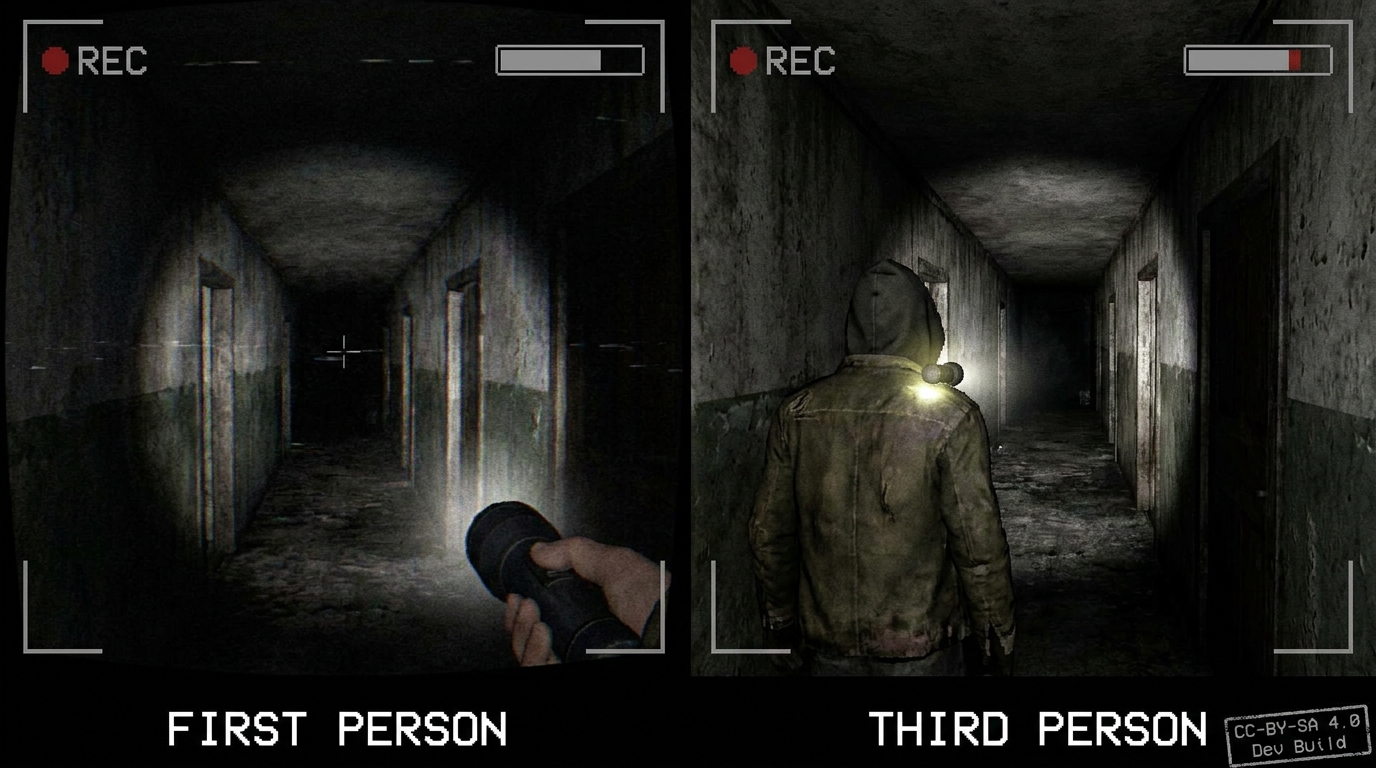
First-person view demonstrably pulls players deeper into a game world—but some of the most terrifying experiences ever made proved the camera angle alone is never enough.